

What to Look For in a Wood Burner Clearance Sale
Efficiency
If you are searching for a sale or clearance on wood burners, you should consider the effectiveness of the appliance. The overall efficiency of a wood burner determines the amount of heat that is absorbed by your home rather than up the chimney. This directly affects the amount of firewood you purchase and the frequency at which you burn it. EPA certified stoves must demonstrate efficiency in heating and combustion. Choose a wood burner that has an EPA listed overall efficiency of 70% or higher to ensure you're getting the most for your buck. More efficient means less waste, and you'll save money on fuel. This means less time spent cutting and stacking wood, as well fewer trips to the wood pile in winter snow storms. This means you'll have more time with your family by a warm fire.
Safety
Almost all wood stoves available today have been tested for safety. Stoves that haven't been tested include stoves purchased secondhand, antique stoves, and stoves constructed in informal welding shops. The majority of insurance companies will not cover homes with non-certified appliances.
A stove that is certified will have an indication of the minimum distance between the stove and combustible materials like furniture and walls. The manufacturer's instructions for installation will also include this information. The test performed by the manufacturer will determine if the stove is in compliance with the requirements for fire resistance.
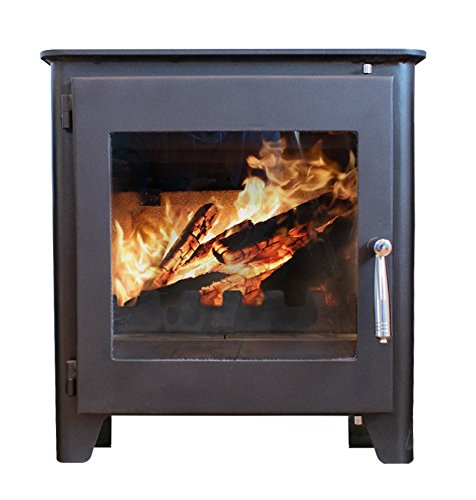
Even with the proper clearances, a wood burning tool can still be dangerous. Do not leave children alone in a space with a wood burner. cast iron wood burner can be extremely hot and could burn clothing and skin in a matter of seconds. Also, be sure to unplug the device when you're not making use of it.
Fire safety isn't only about building materials. It also covers cleaning products and rags that are kept close to a stove. It is important to keep curtains, blankets, throws, rugs, and other fabrics out of the stove's clean space too.
The clearances listed above can be reduced with the help of a suitable shielding. However, you must consult the manufacturer's recommended clearances and err on the safer side. If you are uncertain about the safety of a certain shielding material, speak with your local building control officer or inspector to ensure that it complies with the current fire safety regulations. Installing smoke and carbon dioxide detectors around the stove is an excellent option.